
Sound, Vibration and the Body
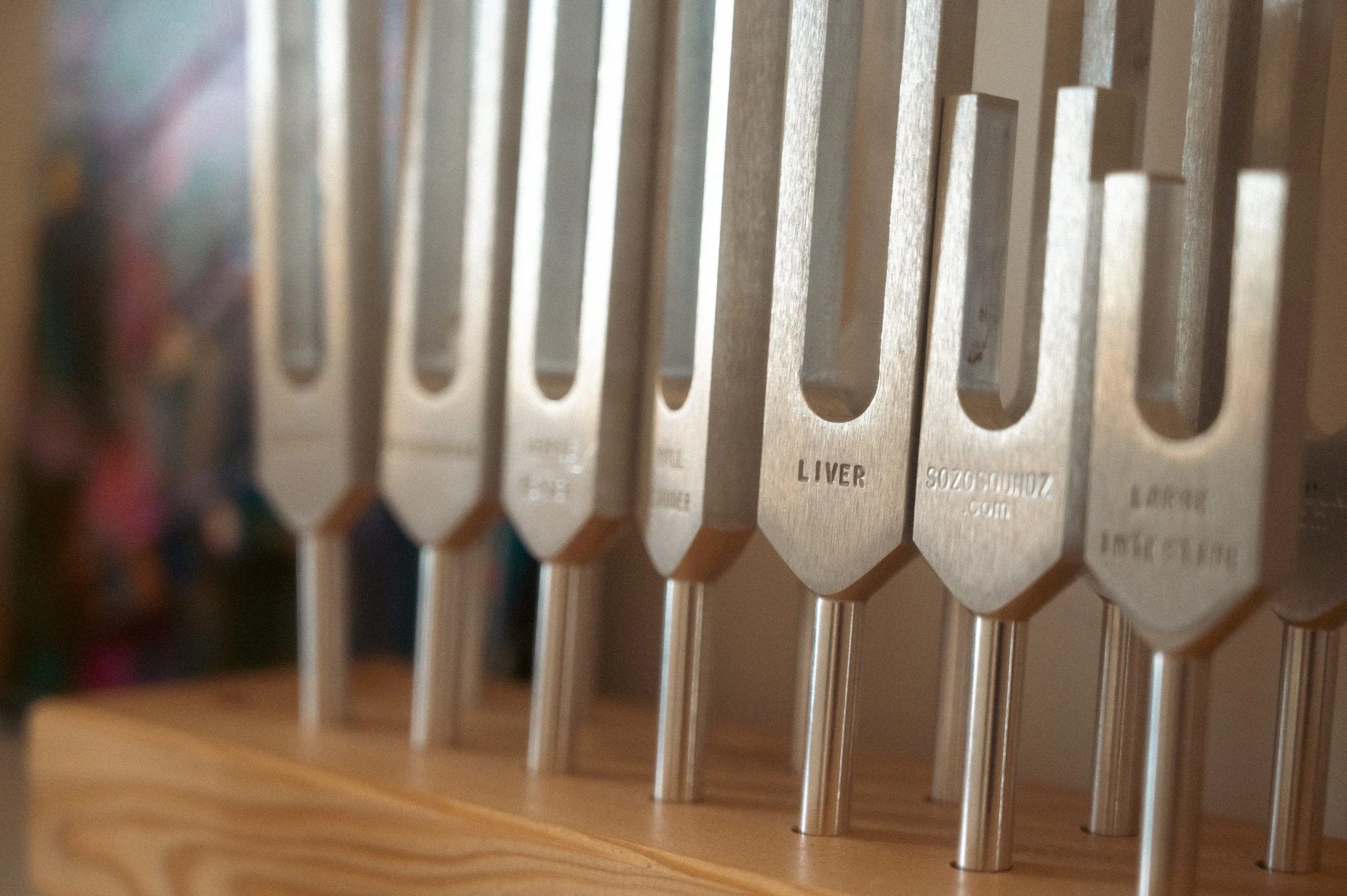
Why sound is used in kinesiology and why your nervous system responds to it
Sound is not just something we hear. It is vibration moving through matter. Every sound is a measurable physical wave. When that wave moves through air and through the body it creates tiny fluctuations in pressure. And because the human body is made largely of water, connective tissue, minerals, and electrically active systems, we don’t just hear sound. We conduct it. We are physically influenced by vibration every day often without realising it.
Cells Respond to Vibration, Not Just Hearing
When we think about sound, we think about ears. But hearing is only one way the body interacts with vibration.
Sound is mechanical energy. As it travels through tissue, it creates subtle physical forces that cells can detect and respond to.
Modern biology recognises that cells are sensitive to mechanical input including:
· pressure
· stretch
· movement
· and vibration
There is an entire field of research called mechanotransduction, which explores how cells convert physical forces into biochemical signals.
This is how:
· Bones strengthen under load
· Muscles adapt to training
· Fascia reorganises under tension
· Touch receptors communicate with the brain
Sound fits into this same biological principle. Research exploring audible sound exposure in laboratory settings has shown measurable cellular responses including shifts in gene expression, changes in cell adhesion and activation of signalling pathways related to growth and regulation.
This means the body is responsive to mechanical vibration. Sound is not just symbolic. It is physical information. And the body responds to information.
Why Sound Regulates the Nervous System
Beyond the cellular level, sound has a powerful influence on the autonomic nervous system.
We know this instinctively. A certain song can calm you within seconds. A sudden noise can spike your heart rate instantly. Rhythm can steady your breathing. Tone can soften or tense the body. The nervous system is constantly scanning for cues of safety or threat. Sound is one of the fastest and most direct inputs it receives.
Rhythmic, harmonious vibration can:
· support parasympathetic (rest-and-digest) activation
· reduce stress signalling
· influence heart rate variability
· shift breathing patterns
· help the body move out of fight-or-flight
When the nervous system shifts toward regulation, the body becomes more receptive to repair, integration, and healing processes. Sound becomes a regulatory cue. Not because it is mystical but because the nervous system is deeply responsive to patterned vibration.
How Sound Is Used in Kinesiology Sessions
In kinesiology, tuning forks are not used randomly. Through muscle monitoring your body provides biofeedback that determines:
· which frequency is needed
· where it is best applied
· and how and how long for it is incorporated into the balance
Tuning forks may be placed into acu-points, along meridians, into chakras and within balancing procedures. The tuning fork provides a steady, coherent vibration.
It is not about forcing change. It is about offering regulated mechanical information and allowing the nervous system and tissues to respond. When the body is given coherent input, it often reorganises in subtle but noticeable ways. It’s often why people describe feeling their body soften, settle or reorganise during a balance.
Sound Between Sessions
Sound is something we interact with every day. Using it intentionally simply brings awareness to something your body already understands. Intentional listening especially during everyday activities like walking, driving or while doing housework can:
· soften stress responses
· shift mood
· support nervous system regulation
This is why I’ve started created a regulating playlist for my clients, a practical way to work with vibration intentionally between sessions.
You can explore the playlist here: https://open.spotify.com/playlist/3RChf49QytpljlJccGo6LJ